
Design Thinking
Design Thinking Client Project -Ocean Purpose Project
Design thinking involves researching, prototyping, and evaluating service systems to address complex commercial and social challenges. It focuses on redefining problems and using experimental, creative approaches to expand perspectives and deepen understanding of users throughout the project process. Empathy—combined with a critical mindset—is essential for analysing issues, generating innovative ideas, and developing effective strategies.
Industry feature project- client ‘Ocean purpose project’
Who is Ocean Purpose Project?
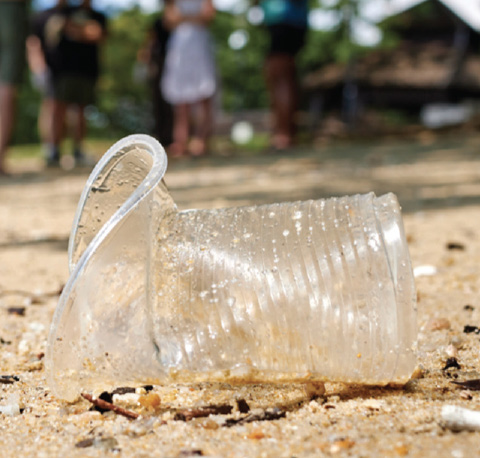
Ocean Purpose Project (OPP) is a Singaporean social enterprise dedicated to solving the ocean plastic crisis through innovative solutions such as converting plastic waste into fuel, developing bioplastics, and promoting behaviour change. Founded in 2020 by Mathilda D’Silva, OPP is rooted in the Pasir Ris community. Mathilda’s personal experience with a water pollution incident that led to autoimmune conditions inspired her to create a platform for unique projects aimed at addressing the very issues that affected her health.

The intention behind the project
As designers within the NCP Program, we sought to engage with and understand the Ocean Purpose Project (OPP) through the human-centred design thinking process. By using this iterative process and gathering ethnographic research, we not only began to understand the organisation, its values, and its intentions, but also how Singaporeans perceived OPP and interacted with their natural environment, especially the ocean.
Our mission was to interact with people and develop a deeper understanding of the issues surrounding sustainability and ocean conservation in Singapore. This understanding aimed to help propose ways to bridge the gap between how people perceive and exist in their environment and create behaviour change needed to protect and save tomorrow.
Research: key insights
To deepen our understanding of waste management practices and their impact on the community, we conducted ethnographic research by visiting the OPP, observing practices and interviewing locals and tourists. This hands-on approach allowed us to immerse ourselves in the organisation’s daily operations and observe firsthand how waste is managed and interacted with.
1. Lack of Environmental Education in Schools: Environmental education is notably absent from the curriculum, leading to a gap in understanding waste management. This lack of education means that young people are not equipped with the knowledge to make decisions, resulting in a generational
2. Governmental Responsibility:
There is a perception that the government should bear the responsibility for waste management. Individuals look to the government to implement policies and lead awareness campaigns. There is a need for more government action to address waste management and community efforts.
3. Difficulty Accessing Recycling Facilities:
Access to recycling presents a significant challenge for many individuals. The rarity of bins often discourages people from recycling. This lack of bins contributes to lower recycling rates.
4. Collection of Recycling and General Waste: The practice of collecting recycling and general waste together in many areas compromises the effectiveness of recycling programs. When recycling is mixed with general waste, it leads to contamination and reduces the amount of materials that can be processed.
5. Desire for Change but Difficult to Implement: Individuals express a strong desire to adopt more sustainable waste management practices, but face challenges in implementing these changes. Barriers such as lack of convenient recycling facilities, inadequate resources, and limited support systems make it difficult for people to follow through on their intentions.
Project Outcomes
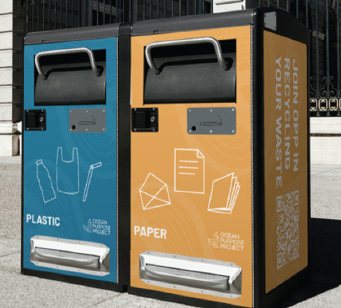
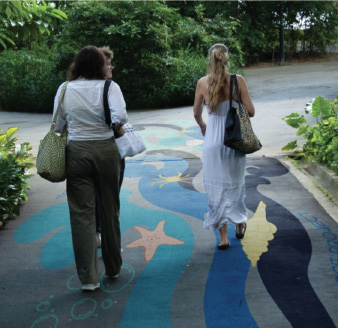
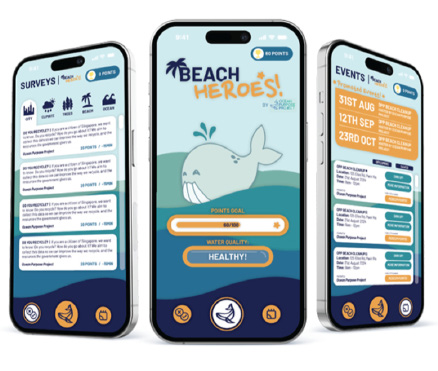
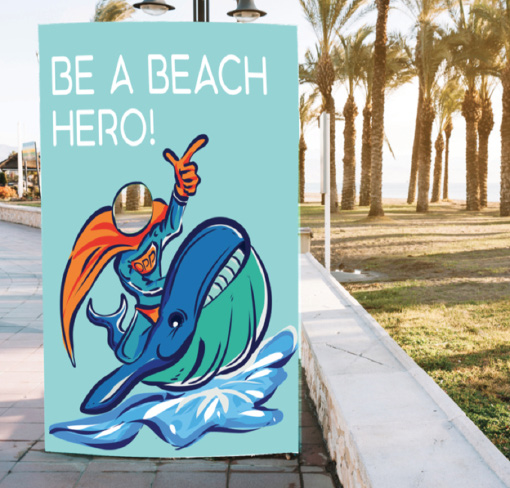
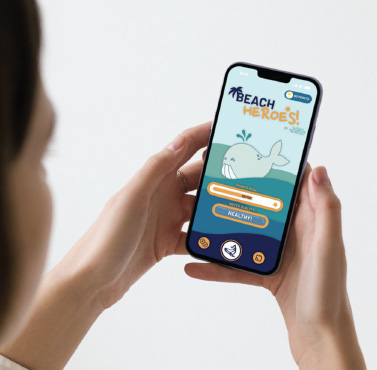
These prototypes seek to embody the innovative approach and multi-faceted approach taken by OPP to a cleaner and healthier ocean through collaboration with other organisations, wayfinding, creative interaction with the community and outreach tactics. They are designed not only as tools to help gather support around the organisation, but with a focus on the community of Singapore, and the everyday people who can contribute to turning the tide on the ocean plastic crisis.

For more information on Design Thinking at Murdoch, visit:
https://https://www.murdoch.edu.au/course/postgraduate/c1146