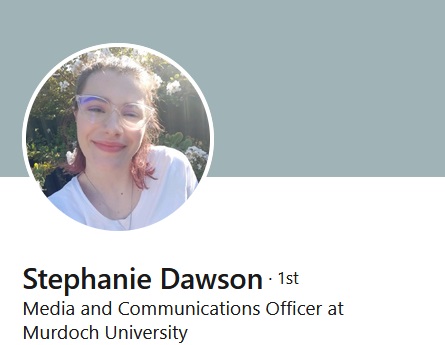
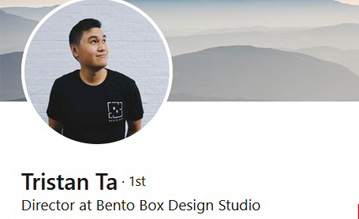
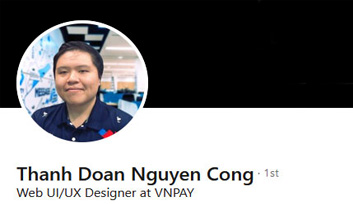
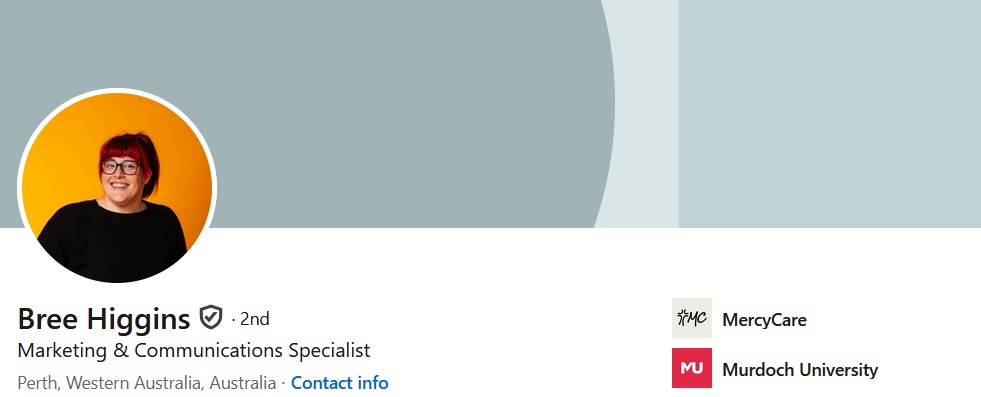
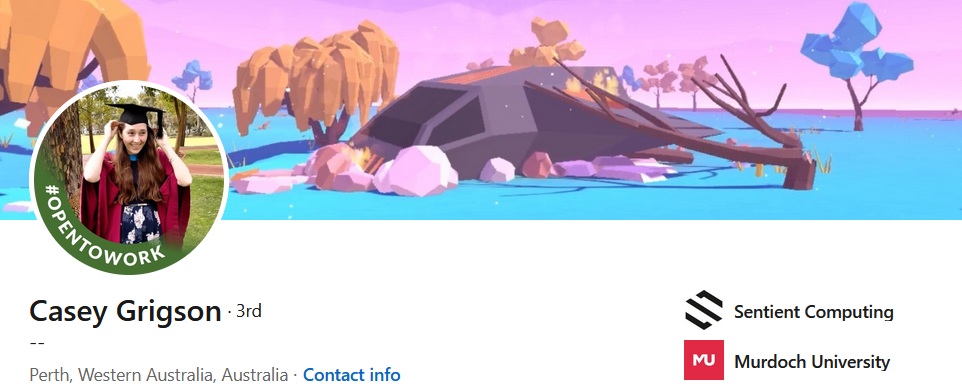
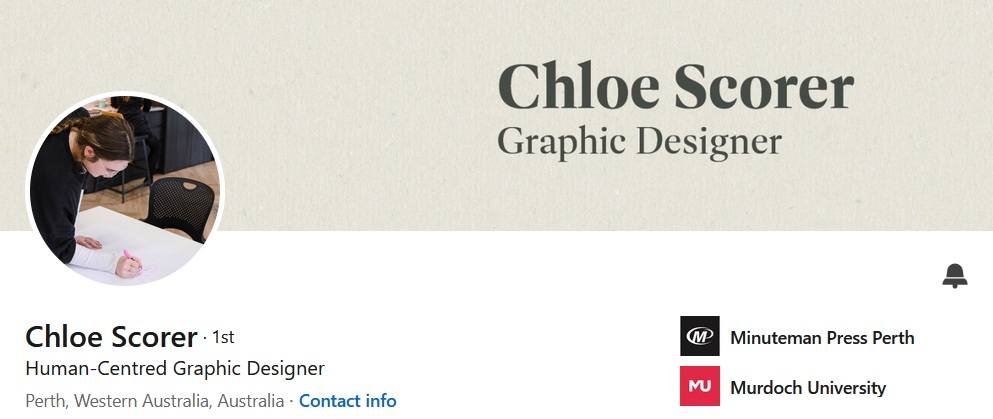
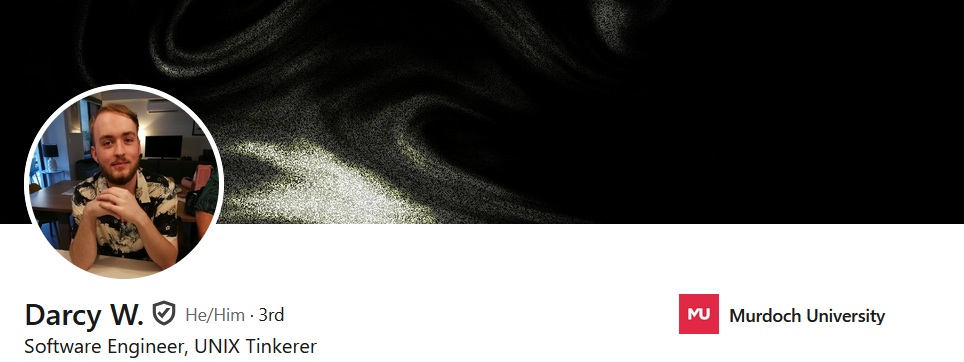
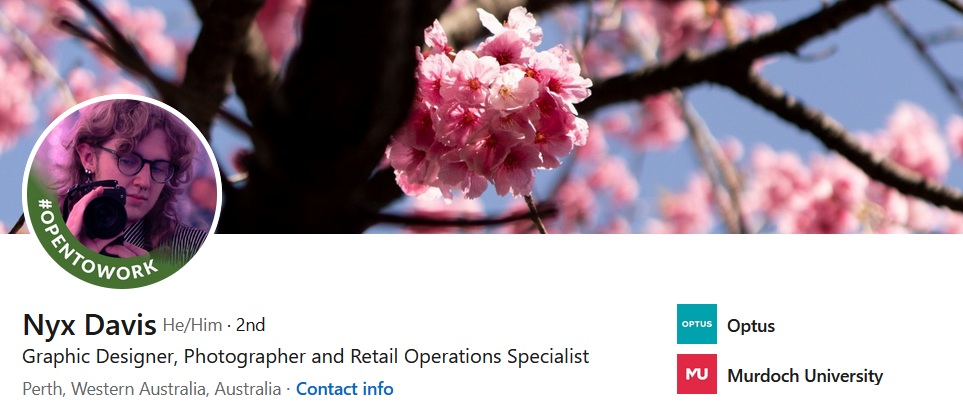
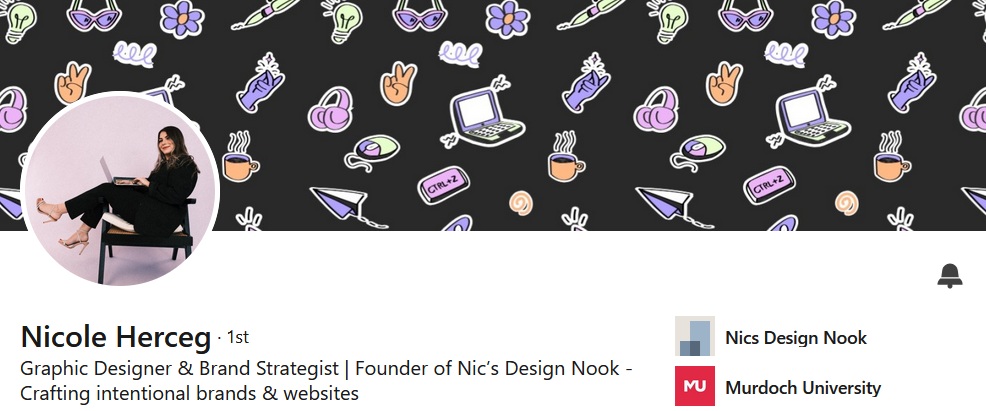
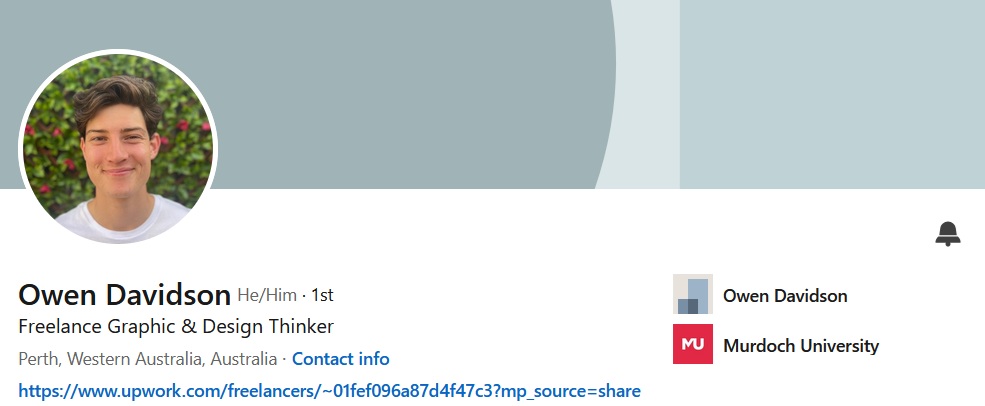
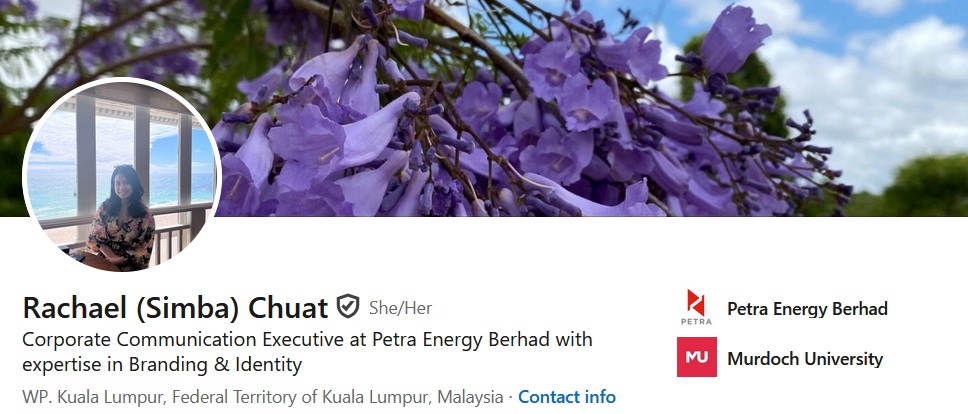
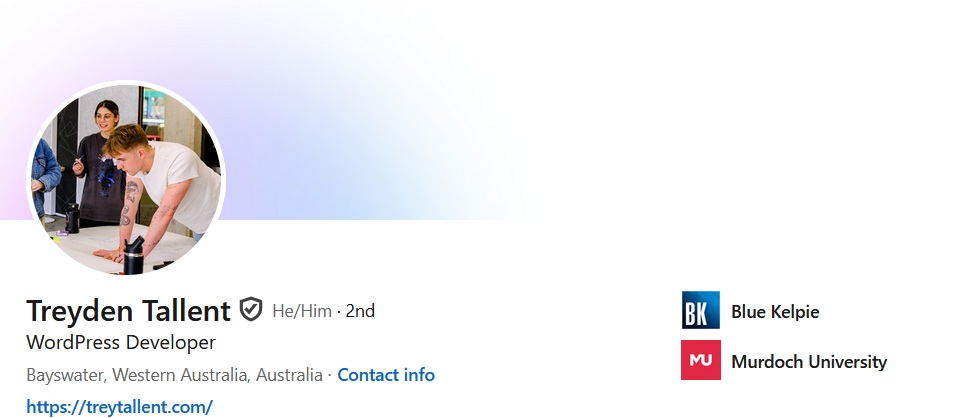
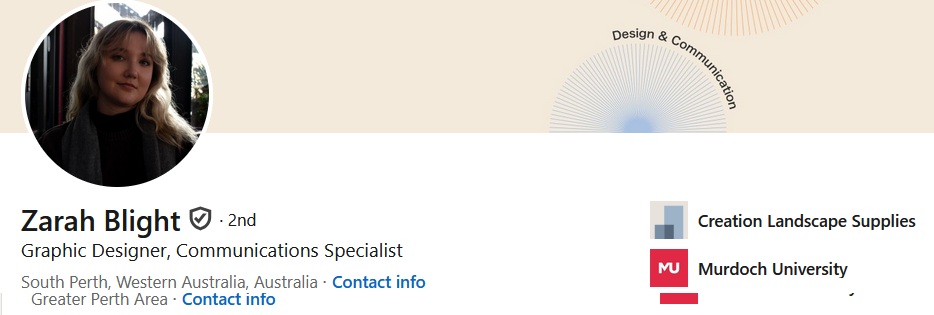
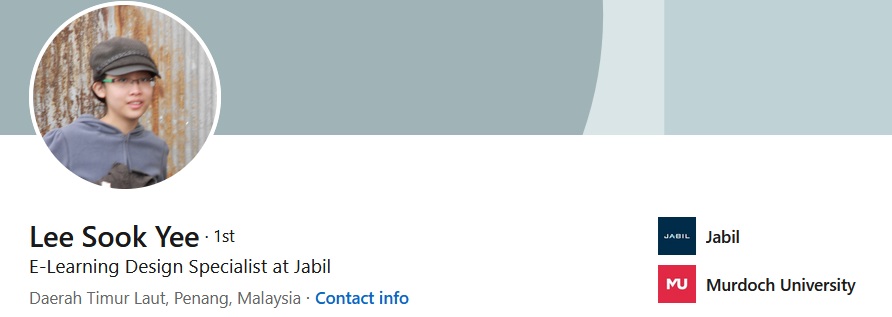
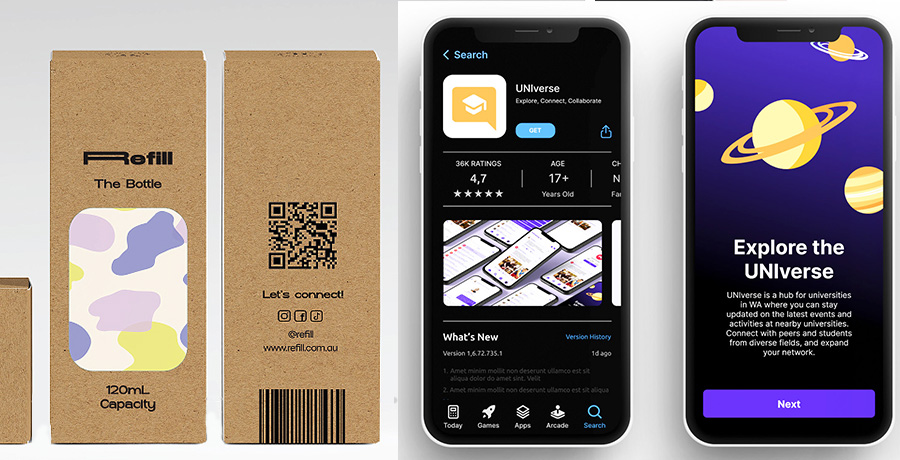
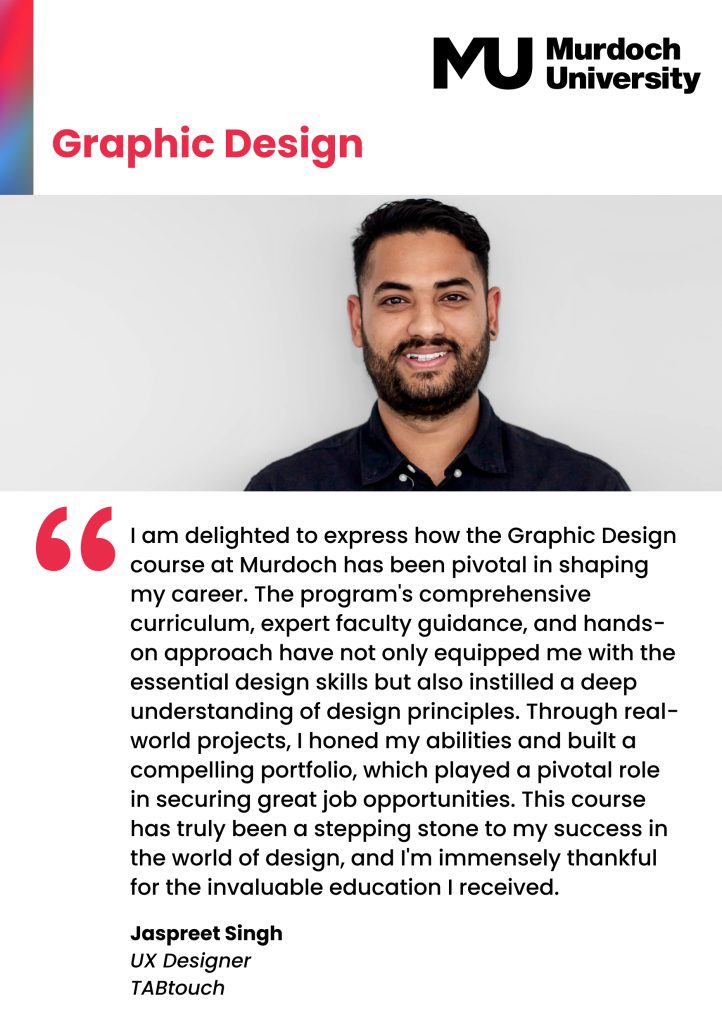
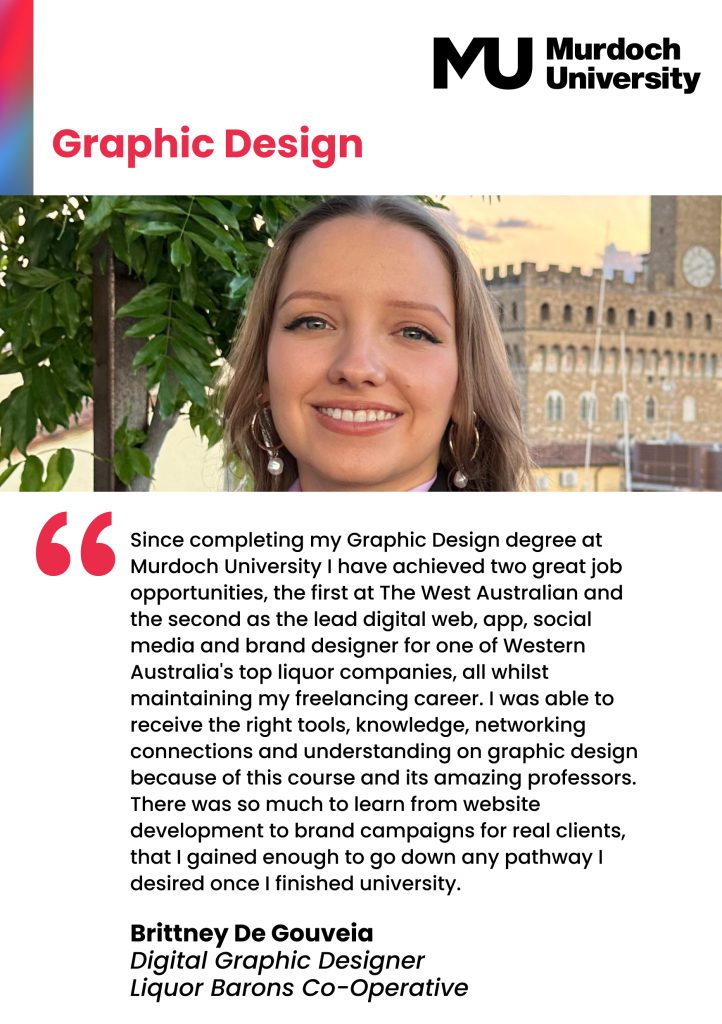
This Design Graduate Honour Board formally celebrates the achievements of our Digital Design and Graphic Design graduates from Murdoch University. Over the years, Murdoch Graphic Design students have evolved and flourished to participate in a diverse range of print, digital, UX, service, and design communication industries worldwide. See below for their LinkedIn profiles.
Double Major Options For Graphic Design Studentsat Murdoch University
At the School of Media and Communication, Murdoch University, we believe in creating opportunities for our students by allowing students to study double majors. With a Murdoch degree in Communication or Creative Media, you can choose to major in two separate subject areas rather than just one, all in the same three-year degree. By simply utilising your electives to build an entire second major, you have the opportunity to graduate with a Bachelor of Communication or Creative Media with two distinct specialisations.
Simply put, double majors mean you get two major skill sets for the price of one, for no extra money, with no extra time, and you double your chance of getting a job when you graduate.
Here is a list of double-major suggestions for those studying Graphic Design.
Double Major– Games Art and Design /Graphic Design Possible Job – Interface and Interaction Designer Interface Artists design, build and implement all aspects of a games or graphic interface. Collaborate with cross-functional teams, including developers, illustrators, graphics design, managers and testers, to provide optimal user experience for their customers. Created and maintain all user interface design deliverables, including UX research, wireframes, personas, mockups, and interactive prototypes. Continuing to research customer needs whilst keeping track of technology trends
Double Major–Photography /Graphic Design Possible job- Digital Content Producer, Print Content Producer Combining Photography and Graphic Design will enable graduates to enhance Photo research skills, engage content production from start to finish, define and deliver the style and feel of the branded content, gain experience in managing the workflow of print and digital content production, gain a good understanding of experience in research skills and best practice social media design.
Double Major– Screen Production/ Graphic Design Possible job-Titles Designer, Motion Graphics Designer Titles Designer, Motion Graphics Designer specialises in on-screen typography and visual effects creating the opening titles sequence, as well as intertitles or title cards in a film or television show.
Double Major– Web Communication/ Graphic Design Possible job- Web Strategy, Web metrics analyst, Social media strategy Students with a double major in Web Communications and Graphic Design will be engage both print and digital production and extend theses skills into strategic communication contexts. For example, graduates will be able to produce and administer social media content and campaigns, build and implement marketing sponsorships and promotions strategies, develop manage and implement digital and web strategy to drive people into a clients business, research and create appropriate daily for multiple social media platforms, create, maintain, edit, proof and upload website content across brands, create artwork to support online campaigns, identify trends and develop strategy to grow the social media community and progress the online presence of a business, monitor and measure the success of a digital campaigns and prepare regular management reports of key social media statistics and results.
Enquire online about your study options at Murdoch University, or apply now.
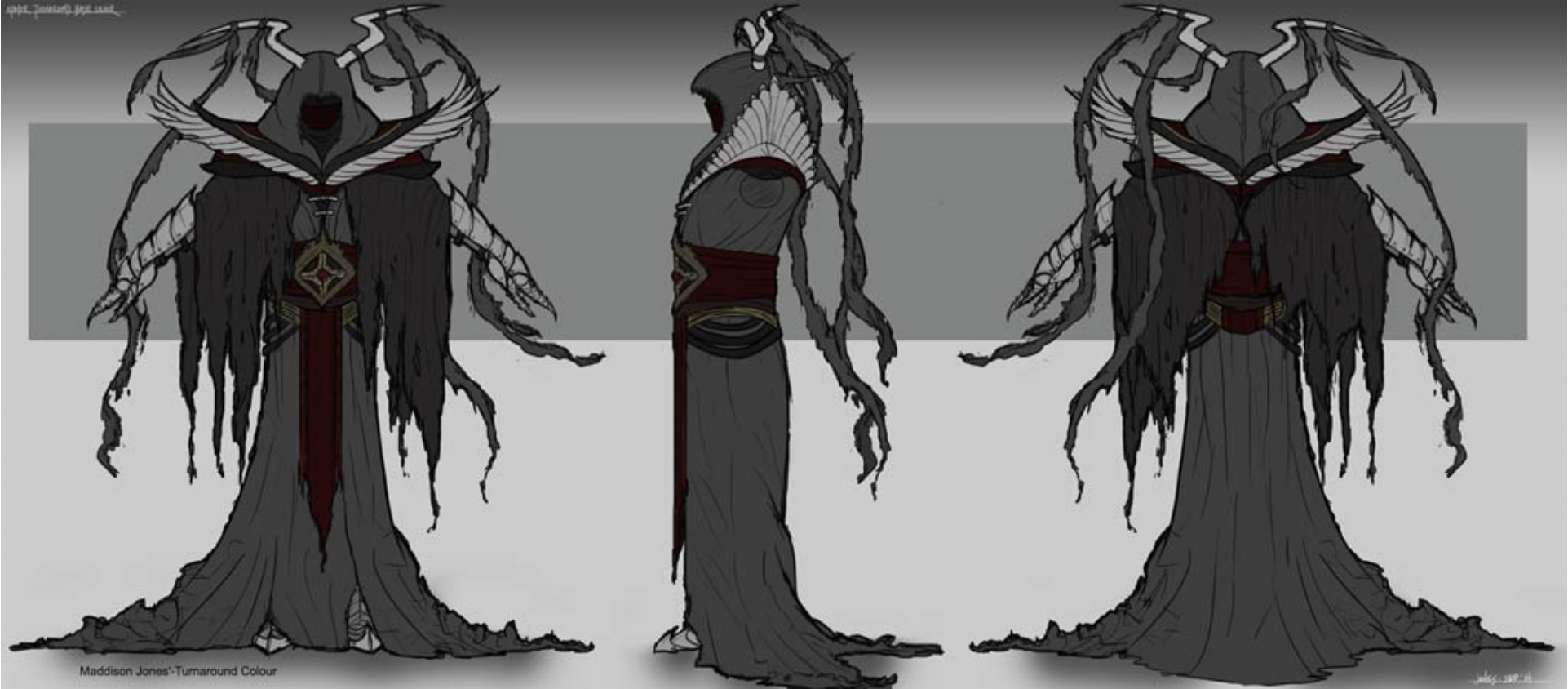
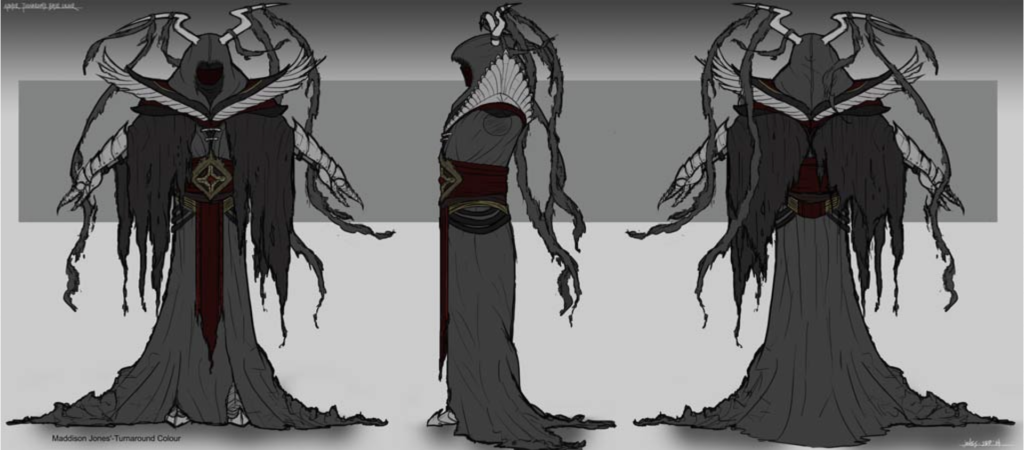
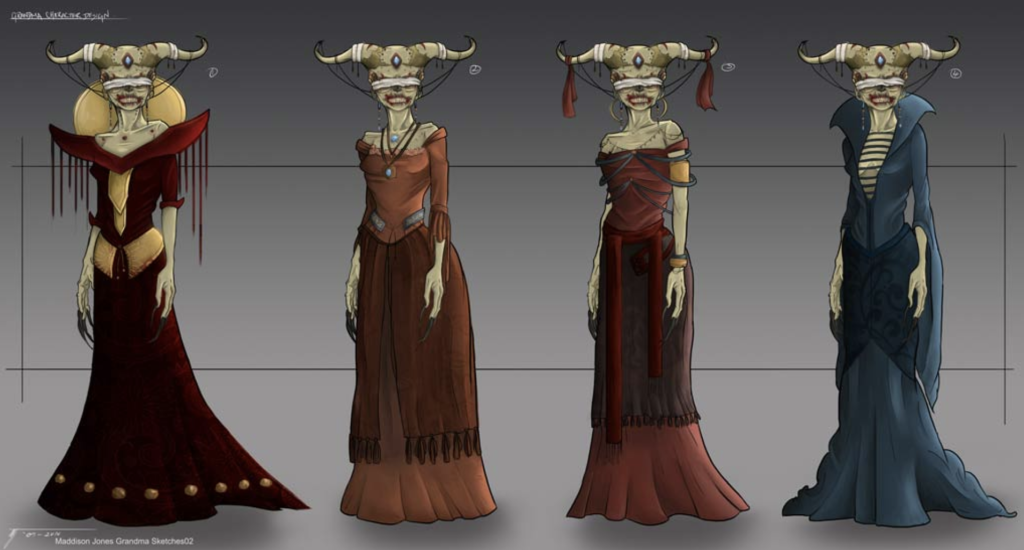
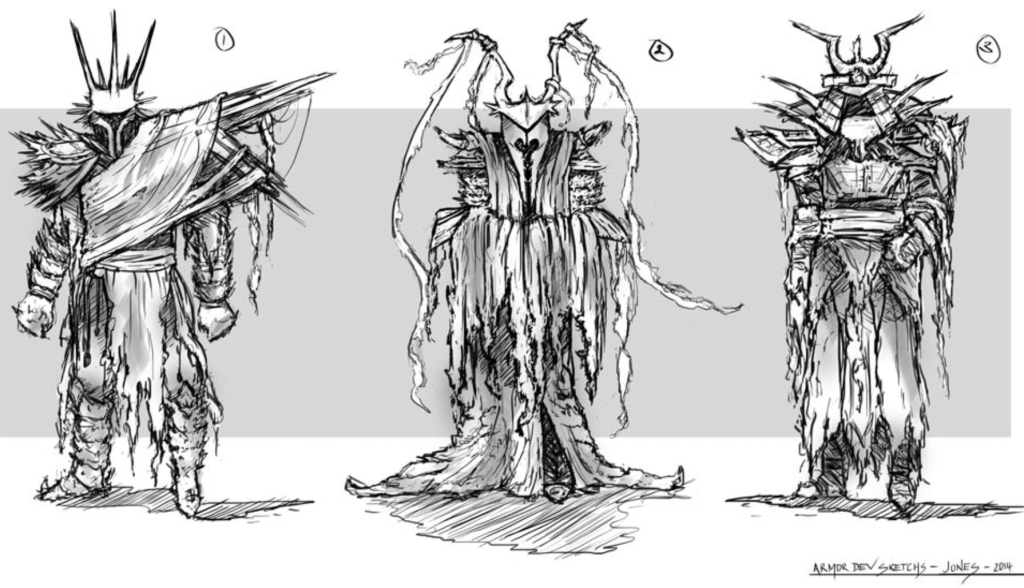
Games Art Graduate Maddison Jones who now lives and works in Sweden recently did an interview with MESH, here are the results.
Why did you choose Games Art and Design at Murdoch, and what have been the benefits?
I chose Games Art and Design after doing 2 years of Security and Counter Terrorism; not really knowing anything about the film or game industry. I knew I wanted to become a concept artist, and decided that this course would be the best way to dip my toes in all aspects of game development. It was. Not only did I learn tremendously about game and film development, but I was also able to try my hand at things I not only knew I was competent at like drawing, but also things I had never tried before like coding, animating and 3D modelling; all with the help of some very talented, well experienced industry professionals that I could call my lecturers.
What would be your advice to students entering the course?
Prepare yourself for late nights. Whether it was up till late finishing homework, waiting for something to render, or staying behind to work on a project with your friends in class, you must be prepared to work hard. The work load is demanding; but so it the industry this course prepares you for. I always made sure I put in 110%, and by doing so, I believe got the most out of not only my university experience, but my entire course. It taught me to never stop learning, teaching myself and never stop improving. Plus, I never had a unit that wasn’t fun or I didn’t enjoy, even those I found challenging, so make sure you give everything a go!
What has been your favourite unit in the course and why?
I had several. I highly enjoyed the Drawing units; drawing has always felt like my thing and it was amazing to further my skills at something I loved. But thanks to the curriculum, and my teachers, I came to love the Animation and 3D modelling units as well. I learnt an invaluable amount and completely broadened my skill set. Although, building and designing a game in my final year was truly something else. It was a wicked unit that saw you and your team design and build a game from start to finish; I had never done anything so challenging, satisfying, or fun!
What was the most challenging aspect of the course?
The workload. And the fact that you are the only one in charge of your learning. You must be prepared to organise and take charge or your own learning; but then again, that’s what university is all about! But I would also say having to try out so many areas of development; while it’s a blessing, it could also be a curse at times. I did find that with one or two units I was out of my comfort zone; like coding. I found it a challenge and difficult to get my head around at first, but being an artistic person, I knew it would be a challenge for me. Having one or two units of the course that really tested me was a really challenging aspect for myself.
What career opportunities did the course give you? And can you describe what you are doing now?
The course opened me up to all the career opportunities that are available. When I started, I had ‘concept artist’ as my one and only job focus and desire, but as I completed my three years, I looked into a wide range of career prospects; (becoming a rigger, 3D modeller, texture artist, animator and graphic designer just to name a few). Having a solid foundation in all of these areas, along with my further developed 2D art skills, helped me become apart of several indie game projects in Perth, including a funded short film soon after my graduation.
Around the same time I also started doing all kinds of commission work; mainly for popular content creators that stream on Twitch and produce their content on YouTube. It was through my success with these content creators that I then took my love for painting, drawing and design to Twitch, where I stream live on the creative channel. I was then lucky enough that my content and work was seen by Intel; who sponsored me to stream and produce my work live from Las Vegas at the CES technology trade show in January where I met all kinds of people and gained all kinds of contacts, which was amazing!
I have now in the last few weeks been hired as the in house designer for a I.T and media company based in Europe, which has led to my very recent move to Sweden. From here I plan to continue streaming and work on my portfolio, as I apply to various freelance agencies and video game companies around the country and around the world. I am wanting to continue with my 2D art; designing landscapes, worlds, sets and environments, while always trying to improve! My next goal is to work for a studio; who dares, wins!
A Design Graduate Interview: Internships And Work Place Learning Prove Vital
MESH recently did an interview with Sebastien Gerard a recent Design and Web Communication graduate to find out about his new job as a Multimedia Production Specialist.
What career opportunities did the course give you?
Work placement through Murdoch provided me hands on experience with CKY Media. Through their shared office space I met the directors of Epigroup and was offered a job with them once my course ended.
What has been your favourite unit in the course and why?
One of my favourite topics discussed was Web Analytics and security/privacy.
What was the most challenging aspect of the course?
During summer when it’s a sunny 35 degrees, and the tav is one direction but your 4pm lab is the other.
Can you describe your new role?
The role is “Multimedia Production Specialist”, and largely surrounds planning and implementing e-learning courses. The company I work for is expanding from their core business of Occupational Health and Safety so a lot of their clients are in Oil and Gas. The role is a neat mix of user experience design, planning, and some filming.
My most recent project included a few days off shore of Karratha to get some drone footage. That’s the first time I’ve been in a helicopter and the amount of marine life you see off the platform is mind boggling.
In between that I’ve had the opportunity to nip off to remote locations in WA and film landscapes for our Exchange Tower project. Link below if you want to have a snoop.
Murdoch Graphic Design Students Support The Salvation Army During Singapore Study Tour
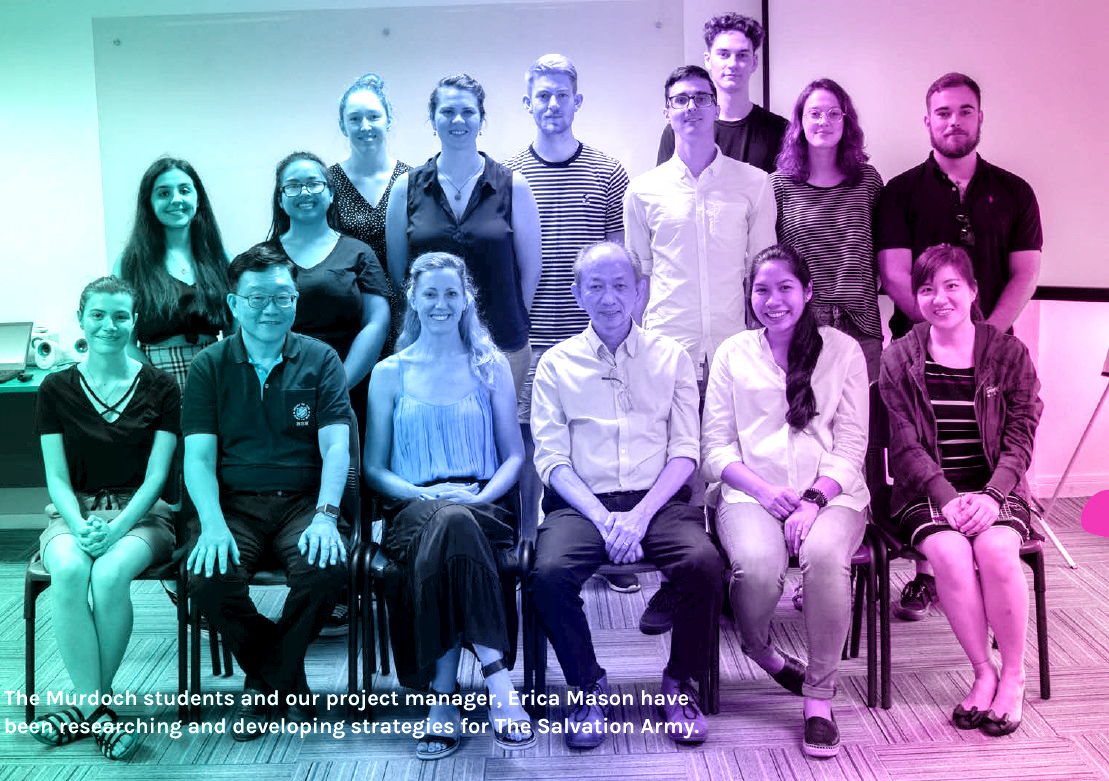
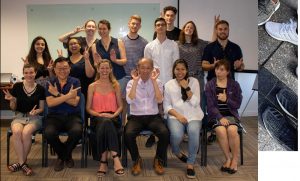
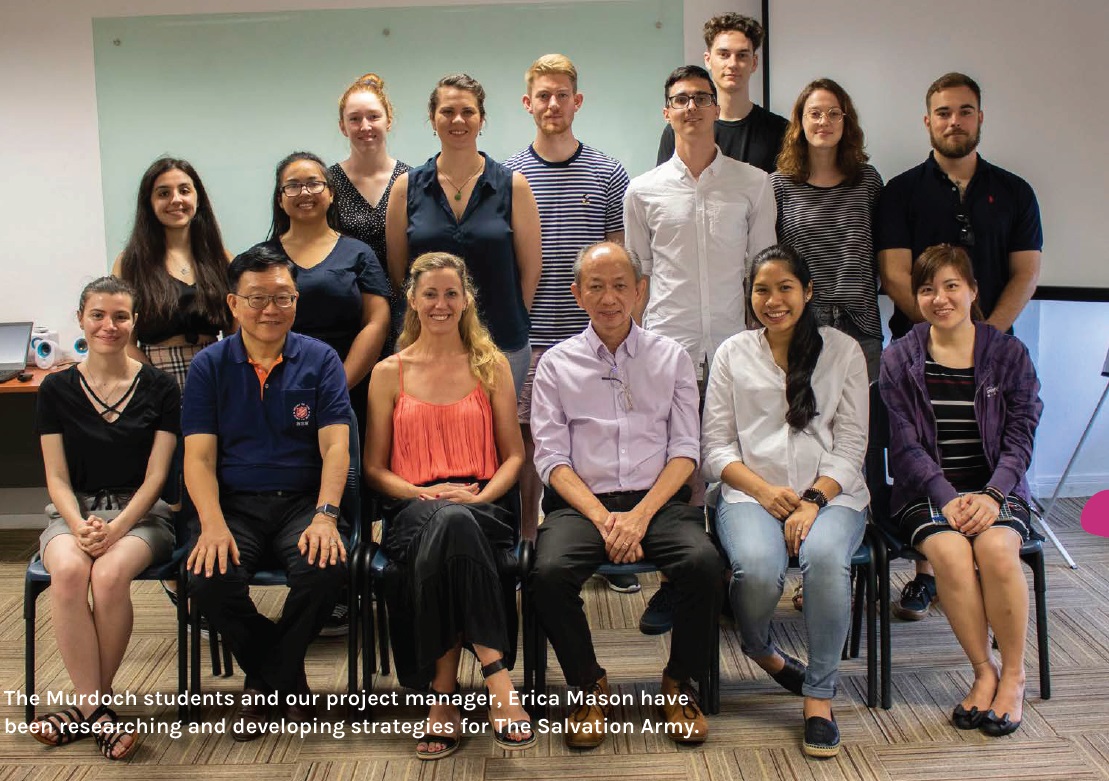
Thanks to New Colombo Mobility Grant a 3rd yr group of Murdoch University Graphic Design students spent 2 weeks in Singapore working with the Salvation army to address some issues with their second-hand stores.
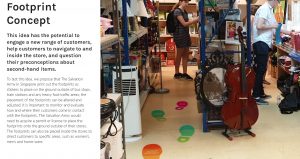
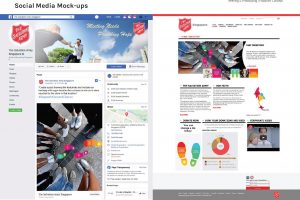
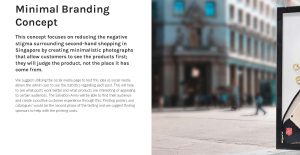
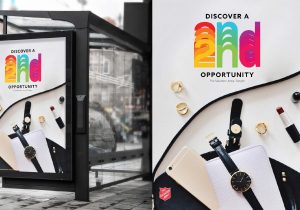
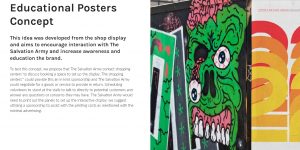
The team worked together to create strategies that aimed to help The Salvation Army address issues such as a lack of awareness about their second hand stores, education about the Salvos, as well as a negative stigma towards second-hand shopping. The strategies that the team co-designed with the Salvation Army aimed to re-educate the public, encourage customer interaction, and to help re-brand The Salvation Army, with the intention of promoting their community services and to inspire positive experiences.
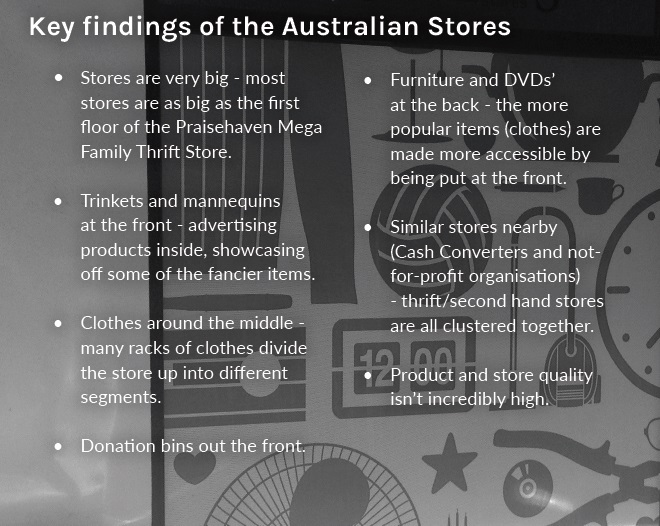
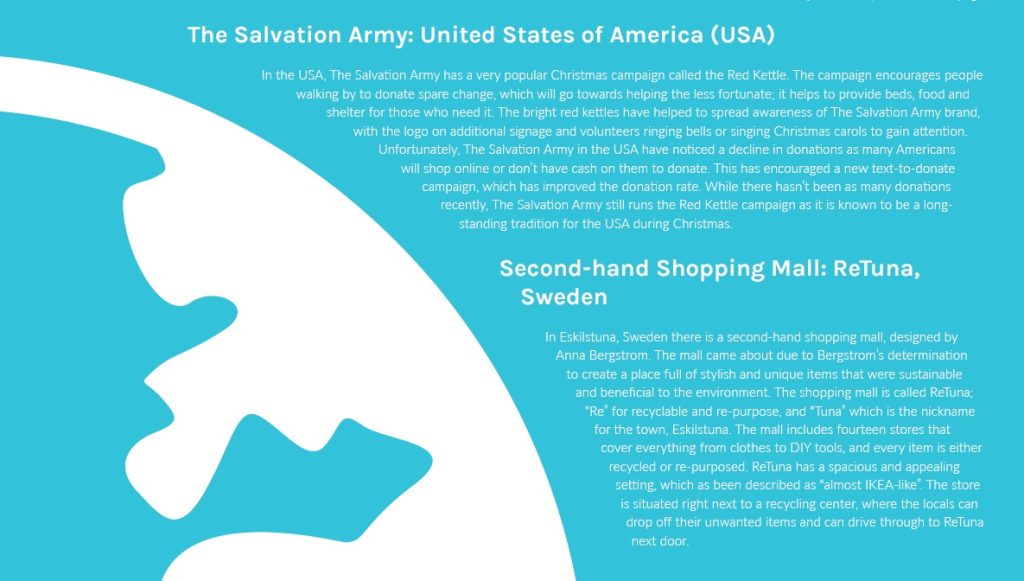
The project began with an Initial Research Stage by investigating the Salvation Army operations in Australia and overseas.
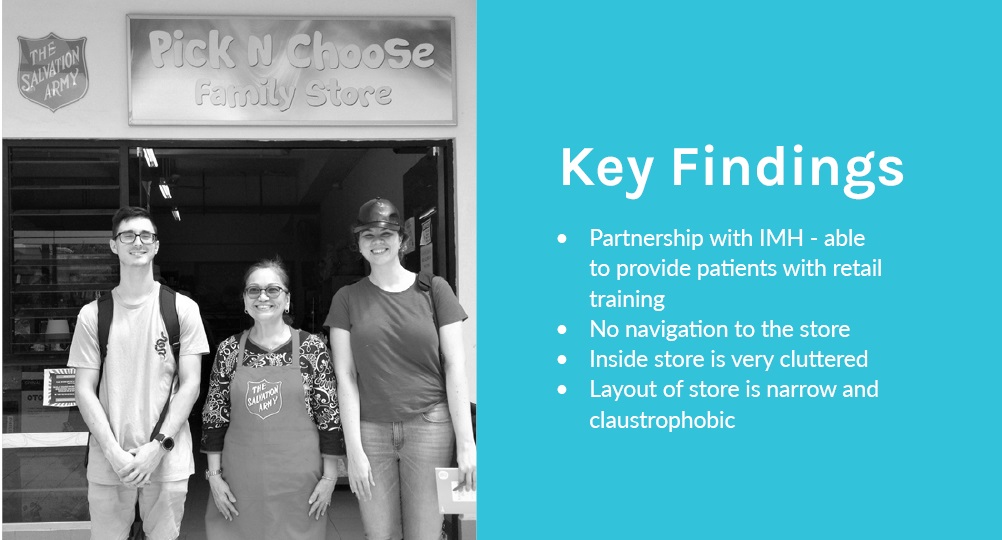
The second phase of our research involved further developing our understanding of the needs of The Salvation Army in Singapore. Our project manager, Erica Mason, organised a meeting between our group, The Salvation Army and the Red Shield Industries’ representatives. Shortly after this, we would visit and research into the individual Salvation Army Family Hubs throughout Singapore.
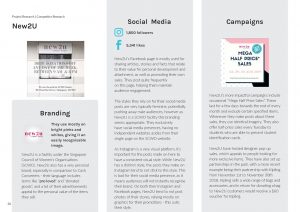
Competitor Research:
We began investigating into The Salvation Army’s competitors in Singapore to help us see what works for them and how we can help The Salvation Army stand out. This was an interesting area to research because unlike Australia, where we have charities like St. Vincent De Paul and The Good Samaritans, The Salvation Army in Singapore does not have any direct competitors that do similar community work. However, we did find many stores that shared the same interest in recycling and wanting to make the shopping experience fun for customers.
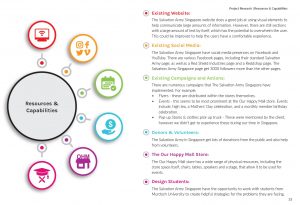
Resources and Capabilities:
During our research, we performed a few Design Thinking exercises to help us understand what resources and capabilities we have available to us. Understanding this helps us to develop an effective and appropriate strategy to address the initial problem. Parts of this exercise also enabled us to explore what The Salvation Army wishes to accomplish by addressing these issues. This furthered our empathy and passion for The Salvation Army’s work and has motivated us to see the problem on a personal level as well as a professional level.
Intentions and Visions:
This exercise inspired us as a group as we got to see how our personal visions and intentions align with those from The Salvation Army. We found that we had shared ambitions to make a positive change and provide help and care to others. Having shared goals helped us to empathise with the representatives and motivated us to create the best work possible.
Stakeholder Ecosystems:
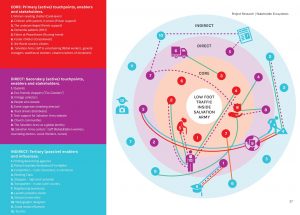
We went on to outline the individuals that had a relationship with the Salvation Army, as well as the depth of their connection to the group and the problem. We then looked into the relationships these stakeholders had with each other and how they would come into contact with each other. This gives us an idea of who to focus on when addressing this problem, as well as giving us an understanding of how they all connect. We can use this information to help us devise strategies that reach the right people in the right way.
Stakeholder Outcomes:
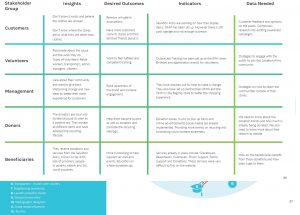
Another workshop we completed with this information was to put together a table that explored our insights into various stakeholders groups. Stakeholders are groups or individuals that are affected by the operations of the Salvation Army. The table expands on what we already know about each stakeholder, what we want to happen, while also identifying any strategies that are currently in place and outlining any resources/ data that we may still need to learn more.
Interviews:
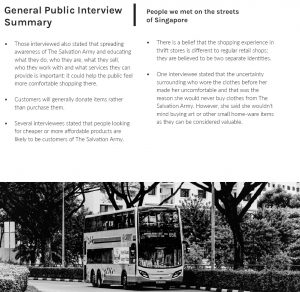
We also wanted to learn more about the individual stakeholders who would be affected by any changes made within The Salvation Army. In order to accomplish this, we went out to interview people who fit into the various categories of stakeholders we had established. These are some of the notes we took from these interviews.
Empathy Map:
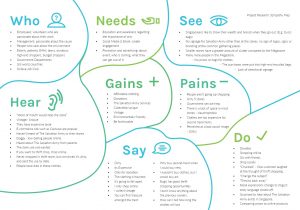
After completing our interviews, our next step was to develop an empathy map. This exercise allows us to empathise with Singaporeans who benefit, use, or want services from the Salvation Army. We mapped out what they hear, see, do, say, as well as their pains and gains. These were mapped out in regards to their responses from our interview research conducted in Singapore. Through this, we have a deeper insight into their attitudes and behaviours towards the Salvation Army, both as an organization that provides aid, but also as a retail brand.
Mapping User Experience:
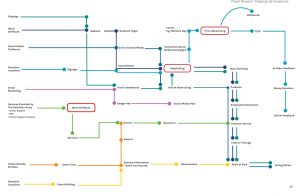
We developed personas based on the Stakeholder Outcomes activity to represent the more notable people from our research. A persona is defined as a specific character that is created to help us to empathise with the stakeholders and understand the issues they face when coming in contact with a brand. We used the personas we created to help us get a better grasp of our target audience for our strategies.
Redefining the Problem:
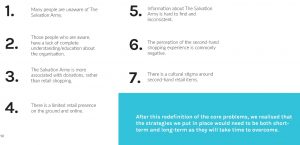
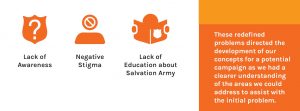
After all of our research, we felt that we had a comprehensive understanding of all of the core elements of this issue. From here, we had enough information to redefine the problem.
Developing Our Ideas:
We had collated all of our research. Now it was time to start thinking of ideas!
After all of our research, redefining of the problem and re-framing our thinking, it was time to develop concepts and strategies that could potentially assist with the core problems.
Together in two groups, we started thinking about potential concepts that could align with our strategy. We began to brainstorm by using our user experiences to inspire ideas on how and when a customer would come in contact with The Salvation Army. After we brainstormed in our groups, we came back together to present our ideas to each other. We worked together to see if there were any ideas that we could link or if any stood out amongst the group. Our ideas focused around history, branding and customer interaction.
Three Proposed Concepts:
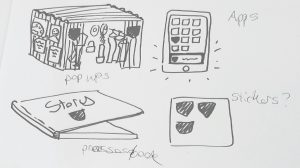
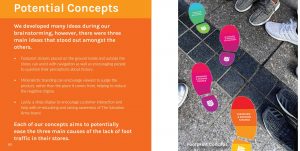
During this brainstorming, three main concepts stood out as the best options to potentially ease the awareness, education and branding issues that have been causing the lack of foot traffic.
Final Outcomes and Redefined Problems:
Our research helped us to discover the core problems regarding our initial issue; the lack of foot traffic. The three main problems include:
Dylan is a high achieving final year student majoring in media and communication in the School of Arts at Murdoch University who recently undertook a professional placement as a part of his studies with the Digital First team. Digital First lead a large project of work that is transforming Murdoch University’s online presence, including a complete redesign of the Murdoch University website. As a MESH Consultant working with the Digital First team, Dylan was able to gain invaluable experience and develop his skills before graduating. Here’s what Dylan had to say:
“Working with Digital First as a MESH consultant was an awesome experience that I would recommend to any student. Completing a work placement as a MESH consultant is a great opportunity for students who want to take their degree to the next level.
My time at Digital First provided me with the opportunity to gain real world, industry experience. This helped to link what I have learnt at University with a potential career pathway.
During my placement, I was given the opportunity to sit in on a number of meetings; this allowed me to gain an understanding of, not only the role of Digital First within the specific project, but also the role of the other teams involved. This provided so much insight and inspiration as to the specific industry areas that I would like to pursue in the future.
As a MESH consultant I also had practice in developing my professional communication skills, these skills will be beneficial in giving myself a head start for being career ready. I also received great guidance and career pathway advice, as well as a number of networking opportunities.
Overall what I enjoyed most about my time at Digital First is that I had the opportunity to contribute to various stages of the project. This required me to apply what I have learnt throughout my degree within a real word context.
Working with Digital First as a MESH consultant was a truly beneficial experience and I would highly recommend any final year student look into completing a placement as a MESH consultant.
A work placement can act as the perfect bridge to link the completion of your degree with the beginning of your career journey. Having work experience also means you will stand out from other graduates. The experience and career guidance gained during your placement has the potential to kick-start your professional career after Murdoch.”
Alexandra Haynes On Working In The Games Industry Whilst Studying
Mesh recently interviewed Alex Haynes a Games Art and Design student about her time at Murdoch and the type of industry work she has been doing whilst studying.
What have you been studying at Murdoch?
I’m currently in my final semester studying Games Art and Design. I began with a double major in Graphic Design, before later deciding to specialise further in 3D Art and Animation.
Can you tell us about how gained entry into university?
I always loved art and working on creative projects, but I had poor grades in high school and the ATAR pathway wasn’t an option for me. After graduating I worked for a few years as a drawing teacher.
It took me a while to realise working in film or games could be a possibility in the future and was something I really wanted to do. I didn’t know how to start until I met the Murdoch academics at a Supanova drawing competition, and they encouraged me to enter the course through the portfolio pathway.
I remember bringing in printed-out photos of my artwork, because at the time I didn’t know how to put a portfolio together. I’m so grateful they took a chance on me, and I’ve considered it an opportunity that I didn’t want to waste.
You have been working in the industry while studying. Can you tell us about the type of work you have been doing?
I’m fortunate to have had multiple opportunities for industry work experience while studying. Most recently I’ve started a work as a 3D animator for Binary Space, a games company based here in Perth. I’m working on ‘Land of Hope and Gorey’, a point and click zombie adventure game. I’m excited about the project and really enjoying working with the team.
Aside from that, I’m currently interning at Siamese, a post-production VFX house, where I’ve been doing concept art, 3D modelling, and some character rigging.
In the past I worked at Sentient Computing, a company providing 3D visualization and simulation to the mining and resource industries. While I was there, I worked on 3D modelling and animation for virtual reality games and created motion graphics videos.
You studied overseas while also studying at Murdoch. Can you tell us about your experience?
I spent a semester studying abroad in Austria, which was incredible. I lived in the city centre, and on free days I would hike in the mountains or explore the city and nearby villages.
I was able to study the majority of my subjects over there from the Masters Degree in Multimedia Art, which included subjects in CG art, rendering, texturing, rigging, animation and VFX. The experience has been so beneficial professionally – I’ve learned and been able to apply concepts that I wouldn’t have understood otherwise.
What has been your favourite unit in the course and why?
My favourite unit was GAD365 Advanced Animation. The class assignment was to make an animated short in the style of a video game trailer. It was a great experience working with a team, combining ideas to make something better than it could have been individually. I was fortunate to be in a group that worked really well together.
Simon Allen is also a great teacher, and his experience with animation was incredibly beneficial. His lectures and demonstrations were compelling, and they made it so much easier to understand how to create appealing animations.
What was the most challenging aspect of the course?
I think the most difficult part for me was deciding whether to specialise, or what to specialise in. The problem was that I liked so many different disciplines and I couldn’t choose just one.
I realised companies I wanted to apply for were looking for a reel that showcased a particular area, and I just didn’t have enough good examples of my work to show in one discipline.
It was a difficult decision but I’m glad I branched out and tried everything first before choosing the one I like the most.
What are your plans for the future?
I’m really enjoying my current work and internship, and I’m looking forward to seeing the projects through to completion.
I’d like to eventually spend some time working over east, or overseas, but I’m open to whatever happens in the future. At the moment there’s no specific place I dream of working, I’ll just be happy to be contributing to a fun project with a great team.
I’m excited to see the games industry grow in Perth and If I do leave for a while, I’d definitely return to work here in the future.